Hose guides, often overlooked, are crucial for organized and protected hose routing in various applications.
DIY projects allow for customized solutions, addressing specific needs with readily available materials and simple construction techniques.
What are Hose Guides?
Hose guides are mechanical components designed to direct and support hoses, preventing kinking, abrasion, and potential damage. They maintain proper hose alignment, ensuring smooth fluid or air transfer. These guides aren’t limited to complex industrial setups; simple versions are easily created for home or automotive use.
Essentially, a hose guide provides a defined pathway for a hose, reducing stress on connections and extending the hose’s lifespan. They come in diverse forms – from basic clips and clamps to more elaborate channeled structures. DIY enthusiasts often utilize PVC pipe, flexible tubing, or even repurposed materials to fabricate effective hose guides tailored to their specific projects and requirements.
Why Use Hose Guides? Benefits Explained
Employing hose guides delivers numerous advantages, significantly enhancing system reliability and longevity. Primarily, they prevent hose kinking and rubbing, safeguarding against leaks and costly repairs. Proper hose routing, facilitated by guides, minimizes stress on fittings, reducing the risk of failure under pressure.
DIY hose guides contribute to a cleaner, more organized workspace, improving safety and accessibility. In automotive applications, they protect hoses from engine heat and moving parts. For hydraulic systems, guides ensure precise hose placement, optimizing performance. Ultimately, investing in – or creating – hose guides is a proactive step towards preventing downtime and maintaining operational efficiency, saving both time and money.
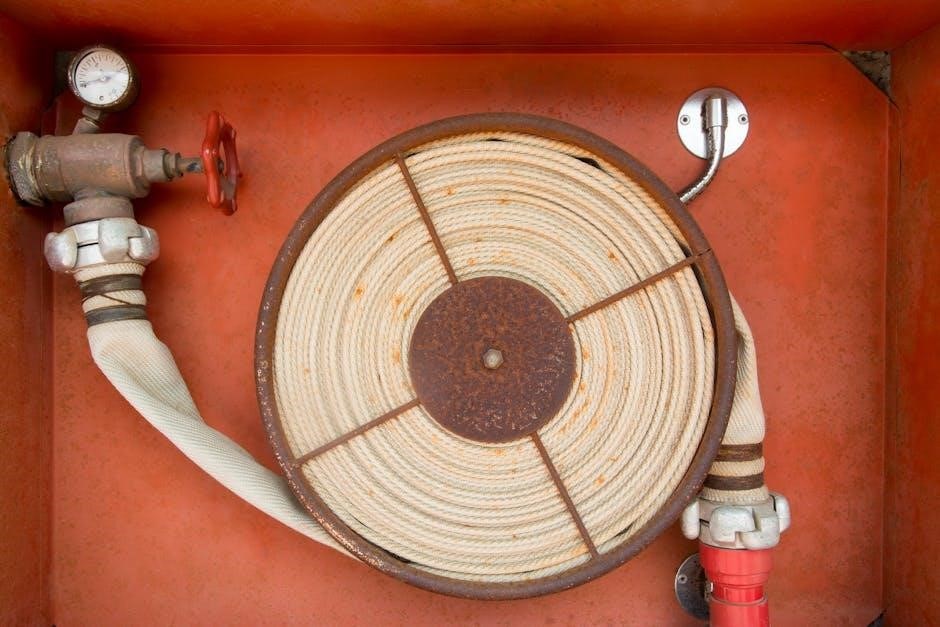
Types of Hose Guides
Hose guides come in diverse forms: flexible options conform to curves, rigid guides offer robust support, and magnetic guides provide adaptable, non-permanent positioning.
Flexible Hose Guides
Flexible hose guides are incredibly versatile, adapting to dynamic hose movements and complex routing scenarios. Commonly constructed from materials like rubber, plastic, or braided nylon, they excel in applications where hoses experience frequent bending or vibration.
DIY enthusiasts often utilize split loom tubing, readily available at hardware stores, as a cost-effective flexible guide. This tubing neatly encapsulates hoses, protecting them from abrasion and preventing tangling. Securing the split loom with zip ties or clamps further enhances stability;
These guides are particularly useful in automotive applications, where engine movement and chassis flex demand a forgiving hose routing solution. Their inherent flexibility minimizes stress on hose connections, extending their lifespan and preventing leaks.
Rigid Hose Guides
Rigid hose guides provide robust support and precise hose positioning, ideal for applications requiring a fixed routing path. These guides are typically fabricated from materials like PVC, metal, or durable plastics, offering excellent resistance to wear and tear.
A popular DIY approach involves utilizing PVC pipe and fittings. Cutting the PVC to the desired length and employing 90-degree elbows allows for custom-shaped guides tailored to specific hose layouts. Securing the PVC guide to a chassis or panel using screws or adhesive ensures stability.
Rigid guides are particularly effective in hydraulic systems and industrial machinery, where maintaining precise hose alignment is critical for optimal performance and safety. They minimize hose kinking and prevent contact with abrasive surfaces.
Magnetic Hose Guides
Magnetic hose guides offer a versatile and non-permanent hose routing solution, particularly useful in environments requiring frequent adjustments or access for maintenance. DIY magnetic guides can be constructed using strong neodymium magnets paired with a protective sleeve or housing.
A simple design involves encapsulating magnets within a 3D-printed or plastic casing, creating a secure attachment point for the hose. Alternatively, magnets can be adhered to metal straps or clips that wrap around the hose. These magnetic assemblies then adhere to ferrous metal surfaces.
This approach is beneficial in automotive applications or temporary setups where drilling or permanent mounting isn’t feasible; Magnetic guides allow for quick hose repositioning without damaging the underlying surface.
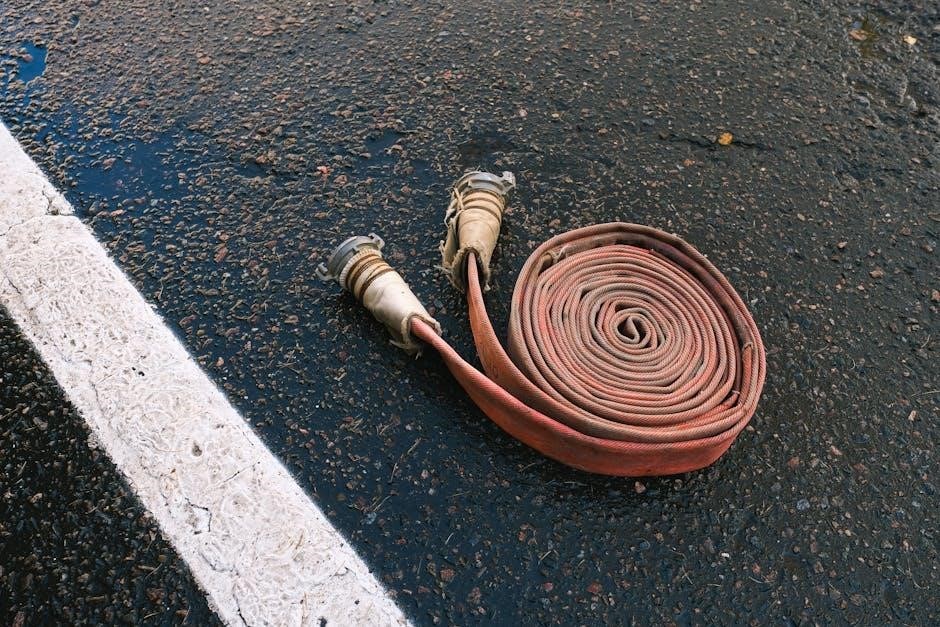
DIY Hose Guide Construction
Building your own hose guides is cost-effective and allows for customization. Utilizing readily available materials like PVC or metal straps, you can create functional solutions.
Materials Needed for DIY Guides
Constructing DIY hose guides requires a few readily available materials, depending on the desired design and application. For a basic PVC guide, you’ll need PVC pipes or fittings – typically ½ inch to ¾ inch diameter – along with PVC cement and a saw for cutting.
If building a magnetic guide, consider neodymium magnets, steel strips or plates, and an adhesive suitable for bonding magnets. Metal straps, zip ties, or clamps are useful for securing guides to surfaces.
Additional helpful items include a drill for creating mounting holes, sandpaper to smooth rough edges, and appropriate safety gear like gloves and eye protection. The choice of materials will influence the guide’s durability, flexibility, and mounting options.
Creating a Simple PVC Hose Guide
A straightforward DIY hose guide can be made using PVC pipe. Begin by measuring and cutting the PVC pipe to the desired length, ensuring it’s slightly larger than the hose diameter. Use a saw for clean cuts, and sand any rough edges for a smooth finish.
Next, create mounting points by drilling holes along the pipe. These holes will allow you to secure the guide to a surface using zip ties, screws, or clamps. For curved routes, utilize PVC elbows or heat-bend the pipe carefully.
Finally, position the hose within the PVC guide and secure it firmly to prevent movement or chafing. This simple design offers basic protection and routing for hoses in various applications.
Building a Magnetic Hose Guide
A magnetic hose guide offers flexible positioning without permanent mounting. Start with a length of sturdy plastic or PVC tubing, sized appropriately for your hose. Embed strong neodymium magnets within the tubing – evenly spaced for optimal hold.
To house the magnets, drill cavities into the tubing and secure them with epoxy adhesive, ensuring polarity alignment for maximum attraction. Cover the magnets with a protective layer of plastic or rubber to prevent damage to the hose or surrounding surfaces.
This DIY guide adheres to metal surfaces, allowing for easy adjustments and repositioning as needed. It’s ideal for temporary setups or areas where frequent hose changes occur.
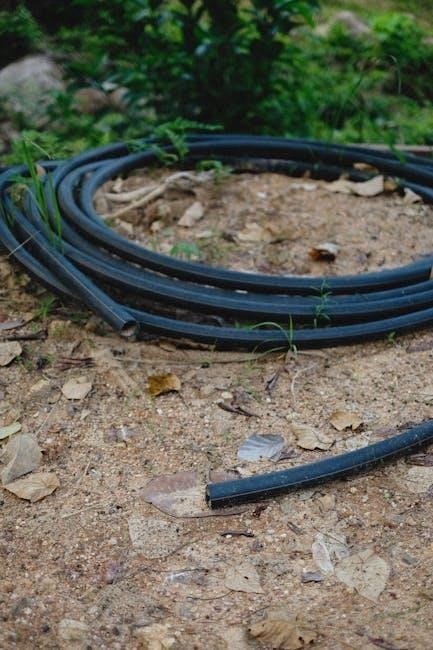
Hose Guide Applications
Hose guides find utility across diverse fields, including automotive, hydraulics, and vacuum systems, ensuring proper hose routing and preventing damage or kinks.
Automotive Hose Routing
Automotive applications demand robust hose management due to engine vibrations and tight spaces. Hose guides are essential for fuel lines, coolant hoses, and vacuum lines, preventing chafing against the engine block or other components. DIY solutions, utilizing PVC or flexible tubing secured with zip ties, offer cost-effective organization.

Proper routing protects hoses from heat, abrasion, and potential leaks. Strategically placed guides maintain consistent hose shape, ensuring optimal fluid flow and preventing restrictions. Custom-built magnetic guides can simplify access for maintenance, allowing quick disconnection and reconnection of hoses without extensive disassembly. Prioritizing secure mounting is vital for long-term reliability and safety.
Hydraulic System Hose Management
Hydraulic systems, found in heavy machinery and industrial equipment, require meticulous hose routing due to high pressures and fluid types. DIY hose guides constructed from metal straps or durable plastics are crucial for preventing kinking, twisting, and abrasion of hydraulic hoses. Securely fastened guides minimize stress on connections, extending hose lifespan and preventing costly failures.
Effective management also involves isolating hoses from heat sources and sharp edges. Custom-built guides can incorporate vibration dampening materials, further protecting the system. Regularly inspecting DIY guides for wear and tear is essential, ensuring continued support and preventing potential hazards. Prioritizing safety and reliability is paramount in hydraulic applications.
Vacuum Hose Organization
Vacuum systems, whether in industrial settings or home workshops, benefit significantly from organized hose management. DIY hose guides, crafted from simple materials like PVC or even repurposed household items, prevent tangling and damage to vacuum hoses. Proper organization improves suction efficiency by maintaining a clear, unobstructed airflow path.
Creating custom guides allows for tailored solutions based on the specific vacuum setup and workspace. Strategically placed supports minimize strain on hose connections, reducing the risk of leaks and ensuring consistent performance. Regularly checking and adjusting these DIY guides is key to maintaining optimal vacuum system functionality and extending hose life.

Installation and Best Practices
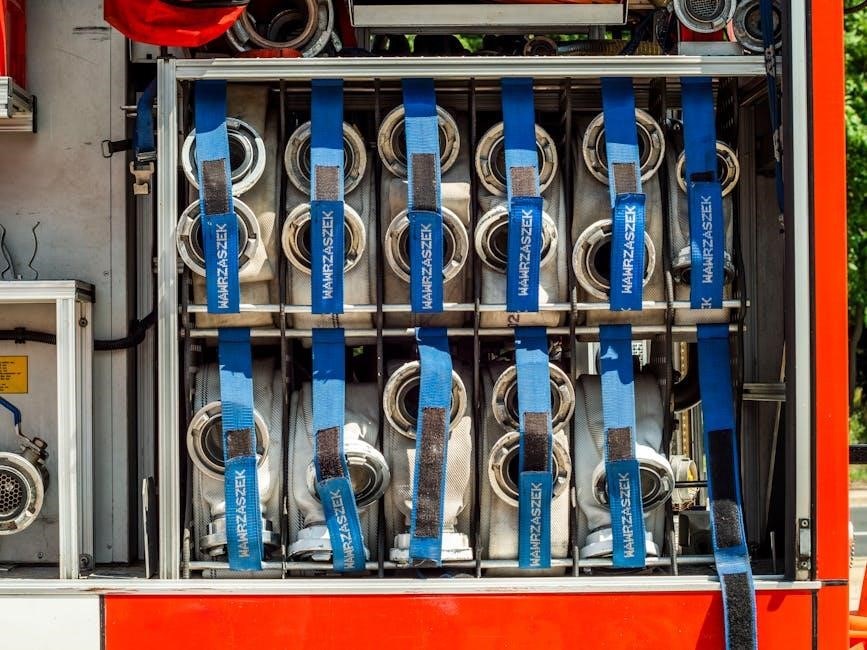
Secure mounting is vital for DIY hose guides, utilizing appropriate fasteners for the surface. Regularly inspect connections to ensure durability and prevent unwanted movement.
Proper Mounting Techniques
Effective mounting of DIY hose guides hinges on selecting the correct method for the application and surface material. For smooth surfaces, strong adhesive backing can suffice for lighter hoses, but screws or bolts are preferable for heavier-duty applications or vibrating environments.
Pre-drilling holes prevents cracking, especially in plastic components. Ensure screws are appropriately sized – too short, and they won’t hold; too long, and they risk damaging the hose or surrounding structures. Consider using washers to distribute pressure and enhance stability.
When mounting to irregular surfaces, flexible mounting brackets or adjustable clamps can compensate for unevenness. Always prioritize a secure attachment that resists movement and vibration, safeguarding both the hose and the guide itself.
Securing Hose Guides for Durability
Long-term reliability of DIY hose guides depends on robust securing methods. Beyond initial mounting, reinforcing connections is vital. For adhesive-mounted guides, consider a secondary mechanical fastener like a zip tie or small clamp for added security, particularly in high-stress areas.
Screws and bolts should be periodically checked for tightness, as vibration can loosen them over time. Using lock washers or thread-locking compounds prevents self-loosening. When constructing guides from PVC or similar materials, reinforce joints with appropriate adhesives and consider adding gussets for increased strength.
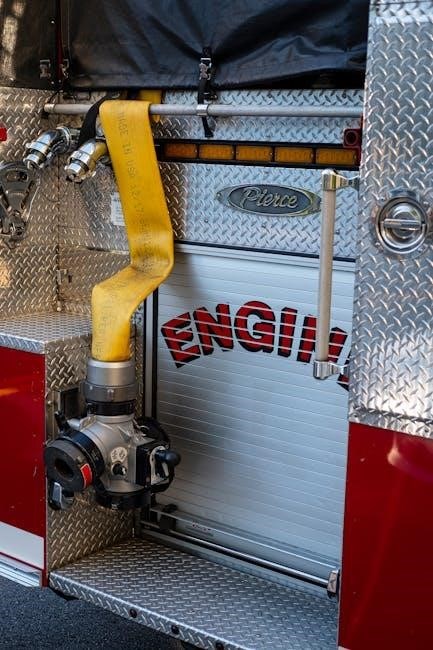
Protecting the guide from abrasion and environmental factors extends its lifespan. Applying a protective coating or using durable materials minimizes wear and tear, ensuring consistent hose support.
Avoiding Common Installation Mistakes
DIY hose guide installation often presents pitfalls. A frequent error is underestimating hose movement; ensure sufficient clearance to prevent binding or chafing. Incorrect placement can negate the guide’s benefits, so carefully plan routing before securing anything.
Insufficient securing is another common issue. Weak adhesives or loosely fitted fasteners lead to guide failure. Always use appropriate materials for the environment and application. Avoid sharp edges on DIY guides that could damage hoses – file or cover them.
Ignoring hose diameter is critical; the guide must accommodate the hose size without excessive play. Finally, don’t overtighten clamps or screws, potentially crushing the hose or damaging the mounting surface.

Maintenance and Troubleshooting
Regularly inspect DIY hose guides for cracks, looseness, or wear. Address issues promptly to prevent hose damage and maintain optimal routing efficiency and safety.
Inspecting Hose Guides for Wear
Consistent inspection of your DIY hose guides is paramount for maintaining system integrity and preventing potential failures. Begin by visually examining each guide for any signs of cracking, especially in plastic components like PVC. Check for looseness – are the guides securely mounted to their surfaces?
Pay close attention to areas where the hose makes direct contact with the guide. Look for abrasion or wear patterns that indicate excessive friction. For magnetic guides, verify the magnets remain firmly attached and haven’t lost their holding power.
Regularly feel the guides for any sharp edges or burrs that could damage the hose over time. A proactive inspection schedule, perhaps monthly or quarterly depending on usage, will catch minor issues before they escalate into costly repairs or system downtime.

Repairing Damaged Hose Guides
Addressing damage promptly extends the life of your DIY hose guides. For minor cracks in PVC guides, epoxy adhesives can provide a robust repair, ensuring the area is thoroughly cleaned and sanded beforehand. Loose mounting points can be reinforced with larger screws or additional adhesive.
If a magnetic guide loses its magnetism, replacement magnets are often the most practical solution; carefully adhere the new magnet using a strong epoxy. Severely damaged guides, however, are often best replaced entirely.
Consider the cost of repair versus replacement – sometimes fabricating a new guide from readily available materials is more efficient than attempting a complex fix. Always prioritize safety and ensure the repair restores the guide’s original functionality and structural integrity.
Preventative Maintenance Tips
Regular inspection is key to extending the lifespan of your DIY hose guides. Periodically check for cracks, loose mounting hardware, and signs of wear, especially in high-stress areas. Cleaning guides regularly prevents buildup of debris that can cause friction and damage to hoses.
For PVC guides, avoid exposing them to extreme temperatures or harsh chemicals. Magnetic guides should be kept away from strong magnetic fields that could demagnetize them.
Tighten screws and reapply adhesive as needed to ensure secure mounting. A proactive approach to maintenance minimizes downtime and prevents costly repairs or replacements, ultimately ensuring reliable hose management.