Promogran Prisma Instructions for Use: A Comprehensive Guide
Promogran Prisma, part of the Promogran Matrix family, enhances wound closure and reduces costs, backed by trials and featuring unique ORC technology.
What is Promogran Prisma?
Promogran Prisma is an advanced wound dressing from the Promogran Matrix family, uniquely combining collagen, Oxidized Regenerated Cellulose (ORC), and silver. It’s designed to improve wound management success rates, particularly when applied early, aiding in faster closure and potentially reducing overall treatment expenses.
Key Components and Their Roles
Promogran Prisma’s matrix consists of 55% collagen and 44% Oxidized Regenerated Cellulose (ORC), with 1% silver. Collagen provides a framework for cell growth, while ORC transforms into a gel, maintaining a moist wound environment. Silver offers antimicrobial protection against common pathogens.
Collagen Matrix (55%)
Collagen, comprising 55% of Promogran Prisma, acts as a foundational scaffold for new cell growth and tissue regeneration. This crucial component actively supports the body’s natural healing processes, promoting granulation and ultimately, wound closure within the wound bed.
Oxidized Regenerated Cellulose (ORC) (44%)
ORC, constituting 44% of Promogran Prisma, transforms into a soft, conformable gel when exposed to wound exudate. This unique property allows complete wound bed contact, maintaining a moist environment conducive to optimal healing and granulation tissue formation.
Silver (1%) — Antimicrobial Properties
Promogran Prisma incorporates 1% silver, providing potent antimicrobial action against common wound pathogens. This component effectively combats infection while maintaining a physiologically moist wound environment, crucial for promoting granulation, epithelialization, and overall wound healing progress.
Indications for Use
Promogran Prisma is indicated for chronic wounds, diabetic foot ulcers, pressure ulcers, venous leg ulcers, and post-operative surgical wounds. It’s particularly useful in complex cases aiming to stimulate healing, promote granulation tissue, and potentially avoid skin grafting procedures.
Chronic Wounds
Promogran Prisma effectively addresses chronic wounds by creating a moist wound environment conducive to granulation tissue formation and epithelialization. Its ORC and silver components aid in managing exudate and combating common wound pathogens, promoting optimal healing in stalled wounds.
Diabetic Foot Ulcers
Promogran Prisma is suitable for diabetic foot ulcers, fostering a healing environment despite compromised circulation. The collagen matrix and ORC manage exudate, while silver offers antimicrobial protection, crucial for preventing infection and stimulating granulation tissue development in these complex wounds.
Pressure Ulcers (Bedsores)
Promogran Prisma effectively addresses pressure ulcers by promoting granulation tissue formation and maintaining a moist wound environment. The collagen matrix and ORC combination, alongside silver’s antimicrobial action, supports healing in areas susceptible to breakdown, reducing the risk of complications and improving patient outcomes.
Venous Leg Ulcers
Promogran Prisma aids venous leg ulcer healing by fostering a conducive environment for granulation tissue development. Its ORC component manages exudate, while collagen supports tissue regeneration, and silver combats potential infection – crucial for chronic wounds often resistant to standard treatments.
Surgical Wounds (Post-operative)
Promogran Prisma supports post-operative wound healing by promoting granulation tissue formation and maintaining a moist wound bed. The collagen matrix and ORC manage exudate, while silver offers antimicrobial protection, minimizing infection risk and potentially accelerating closure of surgical sites.
Contraindications
Promogran Prisma is contraindicated in patients with known allergies to collagen or silver components. Additionally, it should not be used on wounds with severe, uncontrolled infections requiring systemic treatment; addressing the infection is crucial before applying this dressing.
Known Allergies to Collagen or Silver
Promogran Prisma contains collagen and silver; therefore, its use is contraindicated in individuals with established allergies to either substance. Prior allergy assessment is vital to prevent adverse reactions, including localized inflammation or systemic allergic responses.
Severe Infection Not Controlled by Systemic Treatment
Promogran Prisma is not intended for use on wounds with severe, uncontrolled infections. Systemic antibiotic therapy must first address such infections before applying this dressing to prevent masking symptoms and hindering effective treatment of the underlying pathology.
Preparation and Application
Promogran Prisma requires thorough wound assessment and cleansing prior to application. Select an appropriately sized dressing ensuring complete wound contact. The matrix transforms into a gel with exudate, conforming to the wound bed for optimal healing and a moist environment.
Wound Assessment and Cleansing

Prior to Promogran Prisma application, a comprehensive wound assessment is crucial. Gently cleanse the wound to remove debris and exudate, ensuring a clean wound bed. This prepares the area for optimal dressing performance and granulation tissue formation, promoting healing.
Dressing Size and Shape Selection
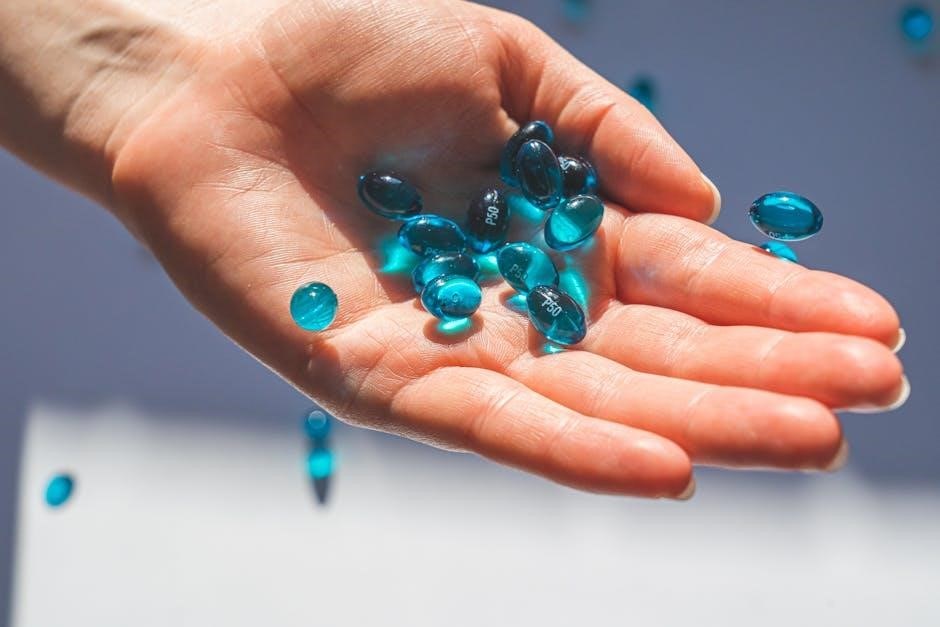
Choose a Promogran Prisma dressing that extends beyond the wound edges, ensuring complete contact with the wound bed. Select a shape that conforms to the wound’s contours for optimal coverage and absorption of exudate, maximizing the healing environment.
Application Technique – Ensuring Complete Contact
Apply Promogran Prisma gently to the wound bed, ensuring complete contact with all wound surfaces. The dressing transforms into a gel with exudate, conforming to the wound shape and maintaining a moist healing environment for optimal tissue regeneration.
Frequency of Dressing Changes
Dressing change frequency depends on exudate level and infection signs. Monitor for improvement or deterioration; changes may be needed daily or every few days. Maintaining a moist wound environment is crucial for granulation and epithelialization, guiding optimal healing progress.
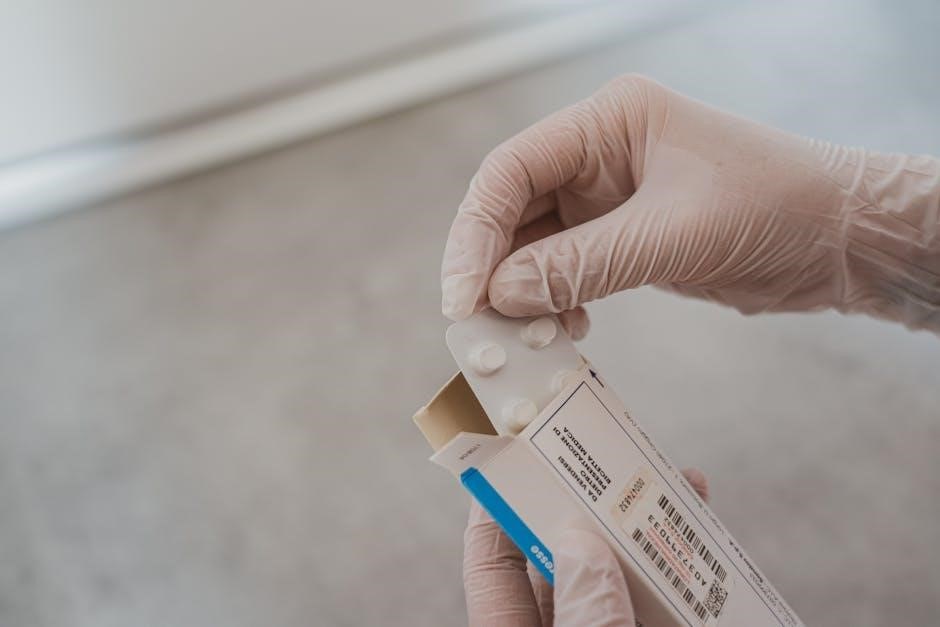
Factors Influencing Change Frequency (Exudate Level, Infection)
Exudate levels directly impact change frequency; higher levels necessitate more frequent changes. Signs of infection – redness, swelling, or increased pain – also demand immediate dressing changes and potential systemic treatment evaluation for optimal wound care.
Monitoring for Signs of Improvement or Deterioration
Regular assessment is crucial; look for granulation tissue formation, reduced wound size, and decreased exudate as positive signs. Conversely, increased pain, redness, swelling, or lack of progress indicate potential deterioration requiring immediate intervention and re-evaluation.
Promogran Prisma and Granulation Tissue Formation
Promogran Prisma actively promotes granulation through a physiologically moist wound environment. Its unique ORC technology supports new tissue formation and epithelialization, effectively stimulating healing and reducing wound size, crucial for preparing complex wounds for potential closure.
Mechanism of Action – Promoting Tissue Growth
Promogran Prisma’s collagen matrix and ORC transform into a biodegradable gel with exudate, adapting to the wound bed. This maintains moisture, fostering granulation, epithelialization, and optimal healing, while the silver component combats common wound pathogens, accelerating tissue regeneration.
Role in Reducing Wound Size
Promogran Prisma effectively reduces wound size by stimulating granulation tissue formation, crucial for complex wounds like those from plastic surgery. This promotes a healthy wound bed, preparing it for potential surgical closure with grafting, ultimately minimizing the need for extensive interventions.
Clinical Evidence and Studies
Promogran Prisma, alongside the Promogran Matrix family, boasts extensive clinical backing, being the most studied collagen dressing globally. Randomized Controlled Trials and meta-analysis demonstrate improved wound closure rates and efficacy, solidifying its position as a reliable choice for healthcare professionals.
Randomized Controlled Trials Supporting Efficacy
Promogran Prisma’s efficacy is firmly established through numerous Randomized Controlled Trials. These studies consistently demonstrate improved wound healing outcomes when utilizing this collagen matrix with ORC and silver, validating its clinical performance and benefits for patients and practitioners.
Meta-Analysis Results – Improved Wound Closure Rates
Meta-analysis of multiple studies confirms Promogran Prisma’s positive impact on wound closure. Results indicate significantly improved rates compared to standard wound care, highlighting the dressing’s ability to accelerate healing and offer a valuable solution for challenging wounds.
Potential Adverse Effects
Promogran Prisma is generally well-tolerated, but some local reactions like temporary redness or swelling may occur. Allergic reactions are rare. Healthcare professionals should monitor patients for any adverse events and discontinue use if significant reactions arise.
Local Reactions (Redness, Swelling)
Promogran Prisma may cause mild and transient local reactions, including temporary redness or swelling at the application site. These are typically self-limiting and do not require treatment cessation, but should be monitored by a healthcare professional.
Allergic Reactions (Rare)
Allergic reactions to Promogran Prisma are considered rare, given its collagen and silver components. However, individuals with known sensitivities should exercise caution. Signs may include rash, itching, or hives; discontinue use and seek medical attention if observed.
Promogran Prisma vs. Other Collagen Dressings
Promogran Prisma distinguishes itself through its unique ORC technology, not found in other collagen dressings. Its silver content provides enhanced antimicrobial action, promoting a moist wound environment conducive to healing, offering benefits beyond standard collagen options.
Unique Benefits of ORC Technology
Oxidized Regenerated Cellulose (ORC) transforms into a soft, biodegradable gel with exudate, adapting to the wound bed for complete coverage. This maintains a moist microenvironment, crucial for granulation, epithelialization, and optimal wound healing, unlike traditional collagen dressings.
Comparison of Silver Content and Antimicrobial Action
Promogran Prisma contains 1% silver, effectively fighting common wound pathogens while maintaining a physiologically moist environment. This unique formulation distinguishes it from other collagen dressings, offering targeted antimicrobial action alongside promoting granulation and optimal healing conditions.
Cost-Effectiveness of Promogran Prisma
Promogran Prisma demonstrates cost-effectiveness through reduced treatment duration and the potential to avoid more expensive interventions like skin grafting or flap repair. Its efficacy in promoting wound closure translates to significant healthcare savings and improved patient outcomes.
Reduced Treatment Duration
Promogran Prisma’s unique composition, featuring collagen and ORC, accelerates wound healing, leading to a demonstrably reduced treatment duration. This faster healing process minimizes healthcare resource utilization and enhances patient quality of life by expediting recovery and return to function.
Potential to Avoid Skin Grafting or Flap Repair
Promogran Prisma effectively stimulates granulation tissue formation, often enabling wound closure without the need for complex surgical interventions like skin grafting or tissue flap repair. This benefit reduces surgical risks, costs, and patient discomfort, offering a less invasive treatment pathway.
Storage and Handling
Promogran Prisma should be stored in a cool, dry place, protected from direct sunlight and extreme temperatures. Always verify the expiration date before use; do not use if the packaging is damaged or compromised to maintain product integrity and efficacy.
Proper Storage Conditions
Promogran Prisma must be kept in a cool, dry environment, ideally between 15°C and 30°C (59°F and 86°F). Avoid exposure to excessive moisture, humidity, and direct sunlight, as these conditions can degrade the collagen matrix and silver components.
Shelf Life and Expiration Date
Promogran Prisma has a defined shelf life, typically indicated on the packaging. Do not use the product beyond the expiration date, as its efficacy and sterility may be compromised. Always check the packaging for the manufacturing and expiry dates before application.
Important Considerations for Healthcare Professionals
Healthcare professionals should prioritize thorough patient education regarding proper wound care and dressing adherence. Consistent documentation of wound progress, including measurements and observed changes, is crucial for evaluating Promogran Prisma’s effectiveness and adjusting treatment plans accordingly.
Patient Education and Compliance
Educate patients on the importance of keeping the wound protected and following all provided instructions. Emphasize avoiding pressure on the treated area and reporting any signs of infection immediately. Consistent compliance significantly impacts healing outcomes with Promogran Prisma.
Documentation of Wound Progress
Meticulous documentation is crucial, including wound measurements, appearance, exudate levels, and any adverse reactions. Regularly photograph the wound to visually track progress with Promogran Prisma. Detailed records support informed clinical decisions and demonstrate treatment effectiveness.
Case Studies – Successful Wound Healing with Promogran Prisma
Promogran Prisma demonstrates success in complex plastic surgery wounds and chronic ulcers, stimulating healing and granulation tissue formation. These cases often avoid skin grafting or flap repair, showcasing its ability to reduce wound size and promote efficient closure.
Complex Plastic Surgery Wounds
Promogran Prisma aids in managing these wounds by reducing size and fostering granulation tissue, preparing them for surgical closure with grafting. Treatment with this matrix promotes healing and avoids more invasive procedures, offering a beneficial alternative for complex cases.
Chronic, Non-Healing Ulcers
Promogran Prisma effectively stimulates healing and granulation tissue formation in chronic ulcers, potentially eliminating the need for skin grafting or tissue flap repair. Its unique ORC and silver composition creates an optimal environment for wound closure and sustained recovery.