Red Rock Climbing Guides: An Overview
Red Rock Canyon, near Las Vegas, is a premier sandstone climbing destination attracting global adventurers. Experienced guides offer courses for all skill levels, ensuring safe and enjoyable ascents.
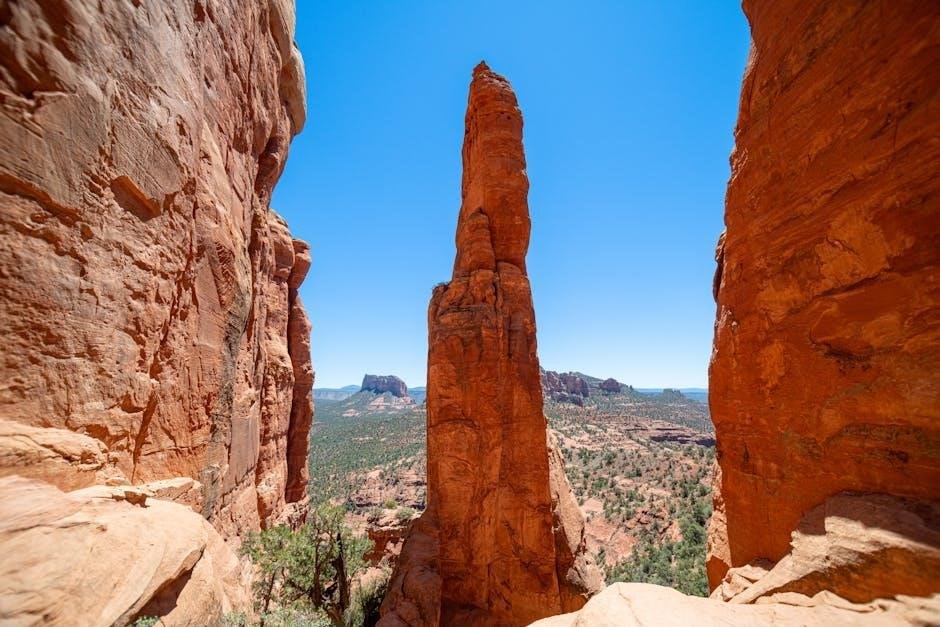
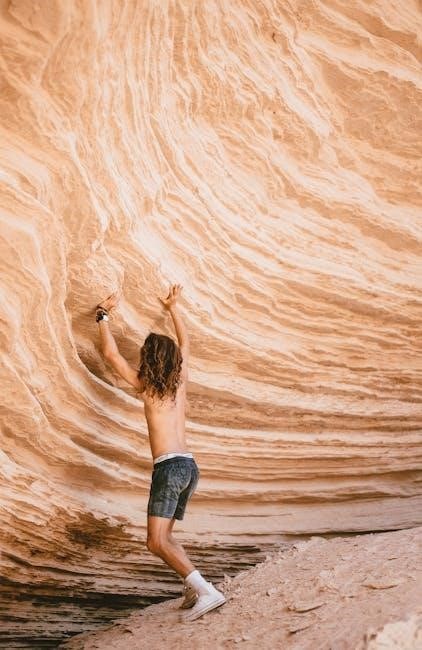
Red Rock Canyon National Conservation Area, a mere 20-minute drive from the vibrant Las Vegas Strip, presents a breathtaking landscape sculpted over millions of years. This geological marvel boasts massive red sandstone formations, offering a stunning backdrop for a diverse range of outdoor activities, most notably, world-class rock climbing.
The canyon’s favorable climate, with warm temperatures for much of the year, makes it an ideal destination for climbers of all levels. From challenging multi-pitch routes to beginner-friendly slabs, Red Rock caters to every skill set. Its unique varnished sandstone provides exceptional grip, often likened to the holds found in indoor gyms, making it a welcoming environment for those new to the sport.
Why Choose Red Rock for Climbing?
Red Rock Canyon distinguishes itself as an exceptional climbing destination due to its proximity to Las Vegas, offering convenient access to a world-class outdoor experience. The area’s diverse terrain caters to all abilities, from absolute beginners taking their first steps to seasoned climbers seeking challenging routes.
The sandstone’s natural varnish creates surprisingly reliable holds, enhancing the climbing experience and boosting confidence, particularly for novices. Furthermore, numerous guiding services, with decades of experience, provide expert instruction and ensure safety. Red Rock is perfect for family bonding and igniting a lifelong passion for the sport.
Types of Climbing in Red Rock
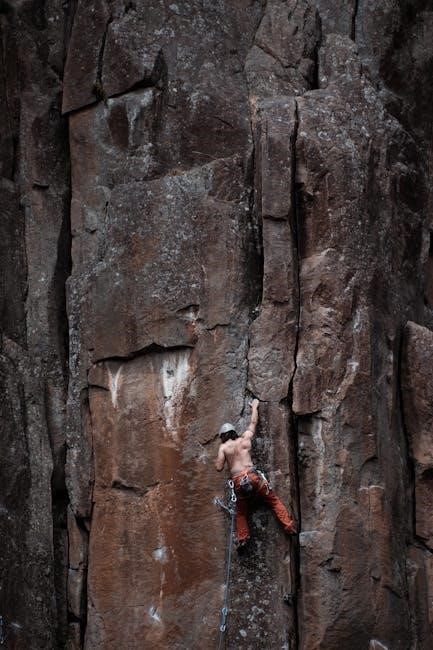
Red Rock Canyon boasts diverse climbing styles: sport, traditional (trad), and bouldering. Guides expertly navigate these disciplines, matching routes to climber skill levels.
Sport Climbing
Sport climbing at Red Rock is incredibly popular, particularly for those newer to outdoor climbing. These routes feature pre-placed bolts for protection, allowing climbers to focus on the movement and enjoy the stunning sandstone formations. Guides expertly select routes appropriate for varying skill levels, ensuring a safe and rewarding experience. The varnished rock provides excellent grip, often resembling a well-equipped gym wall. Many areas, like Calico Hills, are renowned for their accessible sport routes, making Red Rock an ideal location to learn and progress in this discipline. Expect a thrilling and physically engaging adventure!
Traditional Climbing (Trad)
Red Rock offers a wealth of opportunities for traditional climbing, appealing to experienced climbers seeking a greater challenge. Unlike sport climbing, trad routes require climbers to place their own protection as they ascend, utilizing cams, nuts, and other gear. Guides specializing in trad provide instruction on placement techniques and risk assessment, crucial for safety. Kraft Mountain and Black Velvet Canyon are popular areas for trad routes, boasting diverse lines and stunning scenery. This style demands both physical strength and mental fortitude, offering a deeply rewarding climbing experience.
Bouldering
Red Rock’s sandstone formations are exceptionally well-suited for bouldering, offering a fantastic experience for climbers of all abilities. This discipline focuses on challenging moves performed on shorter “problems” without ropes, relying on crash pads for protection. Calico Hills is a renowned bouldering area, featuring a high concentration of problems with varied difficulty. Guides can provide instruction on technique, spotting, and safe landing practices. Bouldering is a great way to build strength, improve technique, and enjoy the Red Rock environment without extensive gear requirements.
Choosing a Red Rock Climbing Guide
Selecting a qualified Red Rock guide involves verifying certifications, assessing experience levels, and considering group sizes for a personalized and safe climbing adventure.
Guide Certification and Experience
When selecting a Red Rock climbing guide, prioritize certifications from reputable organizations like the American Mountain Guides Association (AMGA). These certifications demonstrate a commitment to safety standards and professional climbing techniques.
Beyond certifications, investigate the guide’s years of experience specifically within Red Rock Canyon. Familiarity with the area’s unique sandstone formations, route variations, and potential hazards is crucial. A seasoned guide will possess in-depth knowledge of the canyon’s geology and weather patterns, ensuring a secure and enriching experience for climbers of all abilities. Don’t hesitate to inquire about their guiding history and specific expertise.
Group Size and Ratios
Optimal Red Rock climbing experiences hinge on appropriate group sizes and guide-to-climber ratios. Smaller groups allow for more personalized attention, enhanced safety monitoring, and efficient instruction. A lower ratio ensures each climber receives adequate guidance and feedback, fostering skill development and confidence.
Generally, a ratio of 1:3 or 1:4 (guide to climber) is considered ideal for introductory or intermediate climbs. Larger groups may compromise individual attention and potentially increase safety risks. Inquire about the maximum group size and guide-to-climber ratio before booking, prioritizing quality over quantity for a rewarding and secure climbing adventure.
Specialized Guiding Services
Red Rock climbing guides frequently offer specialized services catering to diverse needs and preferences. These include family climbing adventures, designed to be engaging and safe for all ages, fostering bonding through shared experiences. Private guiding provides a customized experience, focusing on individual goals and skill levels with undivided attention.
Furthermore, some guides specialize in specific climbing disciplines like multi-pitch climbing or technical canyoning. Adaptive climbing services are also available, ensuring inclusivity for individuals with disabilities. Selecting a guide with relevant expertise enhances safety, maximizes enjoyment, and unlocks the full potential of your Red Rock adventure.
Climbing Courses and Lessons
Red Rock guides provide climbing courses for all levels, from beginner introductions to advanced techniques, ensuring a safe and progressive learning experience for everyone.
Beginner Climbing Courses
Red Rock climbing’s beginner courses are meticulously designed for those with no prior experience, fostering confidence and foundational skills. These introductory programs typically begin with ground school, covering essential safety protocols, knot-tying techniques, and proper belay procedures. Participants then transition to easily accessible, beginner-friendly sandstone formations.
Experienced guides provide personalized instruction, emphasizing correct footwork, body positioning, and efficient movement. Half-day options are ideal for families or those with limited time, while full-day courses offer more in-depth training. The focus remains on building a solid base and instilling a love for the sport, making Red Rock accessible to all.
Intermediate and Advanced Courses
For climbers seeking to refine their skills, Red Rock offers intermediate and advanced courses focusing on technique, leadership, and challenging terrain. These programs build upon foundational knowledge, introducing more complex movement strategies, crack climbing techniques, and multi-pitch climbing skills.
Advanced courses often involve navigating more demanding routes, practicing self-rescue methods, and developing route-finding abilities; Experienced guides tailor instruction to individual goals, whether it’s improving efficiency, tackling harder grades, or preparing for larger expeditions. Participants will explore diverse climbing styles within Red Rock’s varied landscape.
Private Climbing Instruction
Red Rock Canyon provides personalized climbing experiences through private instruction, catering to individual needs and goals. These one-on-one sessions allow for focused attention on specific techniques, addressing weaknesses, and accelerating skill development. Private guides customize the day’s objectives, selecting routes aligned with the climber’s current ability and aspirations.
Whether you’re aiming to overcome a plateau, conquer a challenging route, or simply gain confidence, private instruction offers a tailored learning environment. It’s ideal for those seeking rapid progress or a more intimate climbing experience within the stunning Red Rock scenery.
Essential Gear and Equipment
Red Rock climbing requires specific gear; guides typically supply ropes, helmets, and technical equipment, while climbers need appropriate footwear, clothing, and hydration.
Personal Climbing Gear
When embarking on a Red Rock adventure, having the right personal gear is crucial for comfort and safety. Sturdy climbing shoes, properly fitted, are paramount for secure footwork on the sandstone. Comfortable, breathable clothing suited to the desert climate is essential, along with layers for temperature fluctuations.
Don’t forget sun protection – a hat, sunglasses, and high-SPF sunscreen are vital. A personal first-aid kit with blister treatment is also recommended. A hydration pack or water bottles are non-negotiable, as dehydration is a serious risk. Finally, consider bringing climbing gloves for added hand protection during longer routes.
Gear Provided by Guides
Reputable Red Rock climbing guides typically furnish essential technical equipment, alleviating the burden on climbers. This generally includes a climbing helmet, ensuring head protection from falling rocks and during potential falls. They also supply a harness, the crucial link between climber and rope, and appropriately rated climbing ropes for safety.
Guides provide belay devices and locking carabiners for secure rope management. Quickdraws, used to connect the rope to bolts on sport climbs, are also standard. Rest assured, guides prioritize safety and maintain their equipment meticulously, offering peace of mind throughout your climbing experience.
Popular Climbing Areas in Red Rock
Red Rock boasts diverse areas like Calico Hills, Kraft Mountain, and Black Velvet Canyon, each offering unique climbing challenges and stunning sandstone scenery for all levels;
Calico Hills
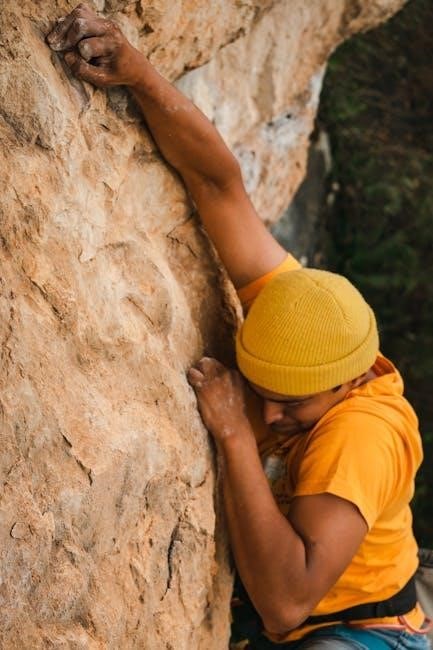
Calico Hills is renowned as an exceptionally beginner-friendly area within Red Rock Canyon, making it a popular choice for introductory climbing courses and guided experiences. The sandstone formations here have naturally developed a textured varnish over millennia. This varnish fractures with weather, creating plentiful, positive holds that closely resemble those found in indoor climbing gyms.
This characteristic makes Calico Hills ideal for those new to outdoor climbing, fostering confidence and skill development. Guides frequently utilize this area to introduce fundamental techniques and safety protocols in a supportive environment. It’s also a fantastic location for families seeking a bonding activity, introducing children to the joys and challenges of rock climbing.
Kraft Mountain
Kraft Mountain presents a diverse climbing experience within Red Rock Canyon, catering to a range of abilities, though often favored by intermediate to advanced climbers. Guides leading expeditions here emphasize route finding and efficient movement on steeper, more technical terrain. The area boasts a variety of climbing styles, including crack climbing and face climbing, offering challenges for seasoned adventurers.
Experienced guides will prioritize safety briefings and demonstrate advanced techniques specific to the mountain’s unique geological features. Expect longer approaches and more physically demanding climbs compared to areas like Calico Hills, requiring a good level of fitness and prior climbing experience.
Black Velvet Canyon
Black Velvet Canyon is renowned for its longer, multi-pitch climbing routes, making it a popular choice for guided adventures seeking a full-day experience. Guides specializing in this area possess extensive knowledge of route selection and rope management techniques essential for safe and efficient ascents. The canyon’s namesake dark rock provides a striking contrast to the surrounding sandstone, enhancing the visual appeal.
Expect challenging climbing with varied difficulties, often requiring advanced skills and stamina. Guides will focus on teamwork, communication, and belay techniques, ensuring a rewarding and secure climbing journey through this beautiful canyon.
Safety Considerations for Red Rock Climbing
Red Rock guides prioritize safety through weather monitoring, proper technique instruction, and emergency preparedness, ensuring a secure climbing experience for all participants.
Weather Conditions and Hazards
Red Rock Canyon experiences extreme temperature swings, demanding climbers and guides closely monitor forecasts. Summer heat can be intense, requiring early starts and ample hydration, while winter brings potential for cold and icy conditions. Flash floods are a significant hazard, particularly within canyons, and guides are trained to recognize and avoid these risks. Climbing guides consistently assess rock stability, as sandstone can be affected by weathering. Wind can also pose a challenge, especially on exposed routes. Responsible guides will adjust plans or postpone climbing activities based on prevailing conditions, prioritizing participant safety above all else.
Proper Climbing Techniques
Red Rock guides emphasize fundamental climbing techniques for safety and efficiency. These include proper footwork – utilizing edging and smearing – and maintaining a strong core for balance. Guides instruct on efficient body positioning, minimizing strain and maximizing reach. Effective communication between climber and belayer is paramount, utilizing clear commands. They also teach dynamic movement, conserving energy on longer routes. Experienced guides ensure climbers understand rope management, knot tying, and belay device operation. Prioritizing technique builds confidence and reduces the risk of injury on the sandstone formations.
Emergency Procedures
Red Rock climbing guides are thoroughly trained in emergency response protocols. They carry comprehensive first-aid kits and communication devices for rapid assistance. Guides educate climbers on self-rescue techniques, including rappelling and anchor building for emergency descent. They establish clear evacuation plans tailored to specific climbing areas. Guides are proficient in handling injuries like falls, sprains, and dehydration. Knowledge of local search and rescue services is crucial. Regular safety briefings cover potential hazards and appropriate responses, ensuring a prepared and secure climbing experience.