Small manual SUVs represent a dwindling, yet appealing, niche in the automotive market, offering a unique blend of practicality and driver engagement.
These vehicles, like the Mazda CX-5 and Skoda Kamiq, provide accessible entry points into the SUV segment for enthusiasts valuing control and affordability.
What Defines a Small Manual SUV?
Small manual SUVs typically fall into the subcompact or compact crossover categories, characterized by their manageable size and focus on fuel efficiency. These vehicles distinguish themselves by offering a traditional manual transmission option – a feature increasingly rare in modern automobiles.
Generally, they boast dimensions smaller than mid-size SUVs, making them ideal for urban environments and easier to maneuver. Models like the Volkswagen T-Roc and Toyota Corolla Cross exemplify this, balancing practicality with a more engaging driving experience.
Crucially, a defining aspect is the availability of a stick shift, catering to drivers who prioritize control and a more connected feel behind the wheel, despite the broader industry trend towards automatics.
The Appeal of a Manual Transmission in an SUV
Despite the rise of automatic transmissions, a manual gearbox in a small SUV retains a distinct appeal for driving purists. It offers a heightened sense of control, allowing drivers to dictate gear selection and feel more connected to the vehicle – a benefit appreciated in models like the Mazda CX-5.
Beyond the driving experience, manuals can potentially improve fuel economy, though this advantage is diminishing with advancements in automatic technology. Furthermore, a manual transmission often translates to a lower purchase price, making these SUVs more accessible.
For enthusiasts, the engagement and involvement of a manual shift provide a rewarding alternative to the convenience of an automatic, enhancing the overall driving pleasure.
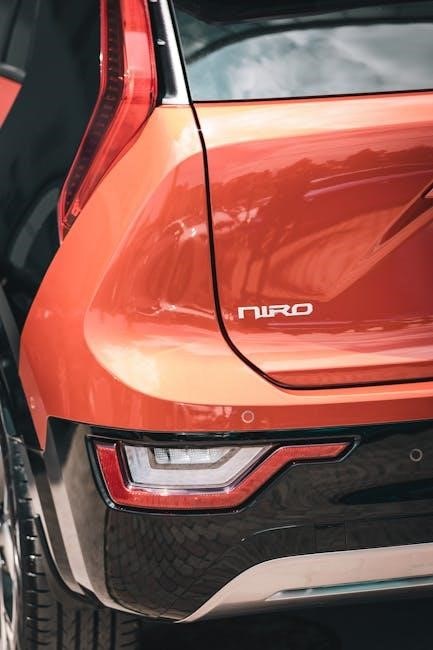
Top Small Manual SUV Contenders (2024/2026)
The 2024/2026 market showcases several compelling small manual SUVs, including the Mazda CX-5, Honda CR-V, Skoda Kamiq, Volkswagen T-Roc, and Toyota Corolla Cross.
Mazda CX-5: Driver-Focused Performance
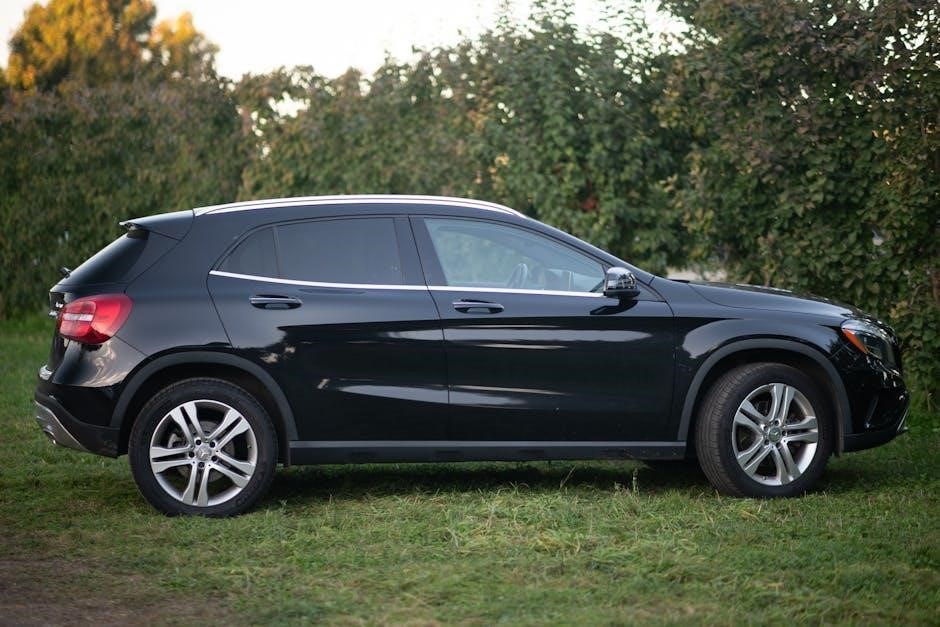
The Mazda CX-5 consistently earns praise for its engaging driving dynamics, setting it apart in the small SUV class. It delivers a refined experience, prioritizing driver involvement often missing in competitors. While manual transmission availability may vary by year and trim, the CX-5’s six-speed manual option provides precise control and a connected feel.
Beyond the transmission, the CX-5 boasts responsive steering and well-tuned suspension, contributing to confident handling. Reviews highlight its premium interior, offering a comfortable and stylish cabin. The 2024 model continues this tradition, blending practicality with a sporty character. It’s a compelling choice for drivers who enjoy the act of driving, even within the SUV segment.
Honda CR-V: Reliability and Practicality
The Honda CR-V is renowned for its exceptional reliability and spacious interior, making it a perennial favorite in the small SUV category. While a manual transmission isn’t typically a standard offering in recent CR-V generations, its overall practicality and dependability are noteworthy for buyers considering this class.
The 2024 CR-V builds upon this reputation, providing ample cargo space and comfortable seating for passengers. It’s a sensible choice for families or individuals prioritizing functionality and long-term ownership. Though not focused on sporty driving dynamics, the CR-V delivers a smooth and composed ride, ensuring a pleasant experience for everyday commutes and longer journeys.
Skoda Kamiq: Value and European Design
The Skoda Kamiq stands out as a compelling option, blending European design sensibilities with impressive value for money. Recent updates in 2024 have refreshed its appearance and enhanced its features, making it even more attractive to buyers. Importantly, the Kamiq often provides a manual transmission option, catering to drivers who prefer a more engaging driving experience.
Compared to rivals like the Peugeot 2008 and Mitsubishi Eclipse Cross, the Kamiq strikes a balance between flair, size, and practicality. It offers a comfortable interior, decent cargo capacity, and a range of efficient engine options. This makes it a strong contender for those seeking a stylish and affordable small SUV.
Volkswagen T-Roc: Stylish and Versatile
The Volkswagen T-Roc consistently ranks among the top small SUVs, celebrated for its distinctive styling and versatile nature. It presents a modern aesthetic, appealing to buyers seeking a vehicle that stands out from the crowd. While automatic transmissions are prevalent, manual options remain available, satisfying driving purists.
The T-Roc offers a well-appointed interior, comfortable seating, and a practical cargo area. It’s a strong competitor alongside models like the Nissan Qashqai, providing a refined driving experience and a good level of standard equipment. Its blend of style, practicality, and available manual gearbox makes it a noteworthy choice.
Toyota Corolla Cross: Fuel Efficiency and Hybrid Options
The Toyota Corolla Cross distinguishes itself within the small SUV segment through its exceptional fuel efficiency and the availability of hybrid powertrains. While a manual transmission isn’t currently offered in most markets for this model, its fuel economy is a significant draw for budget-conscious buyers.
It builds upon the renowned reliability of the Corolla, offering a slightly elevated driving position and increased cargo space. In Russia, the Corolla Cross is recognized for its efficient petrol engine. Though hybrid options dominate discussion, its overall practicality and Toyota’s reputation make it a compelling choice.
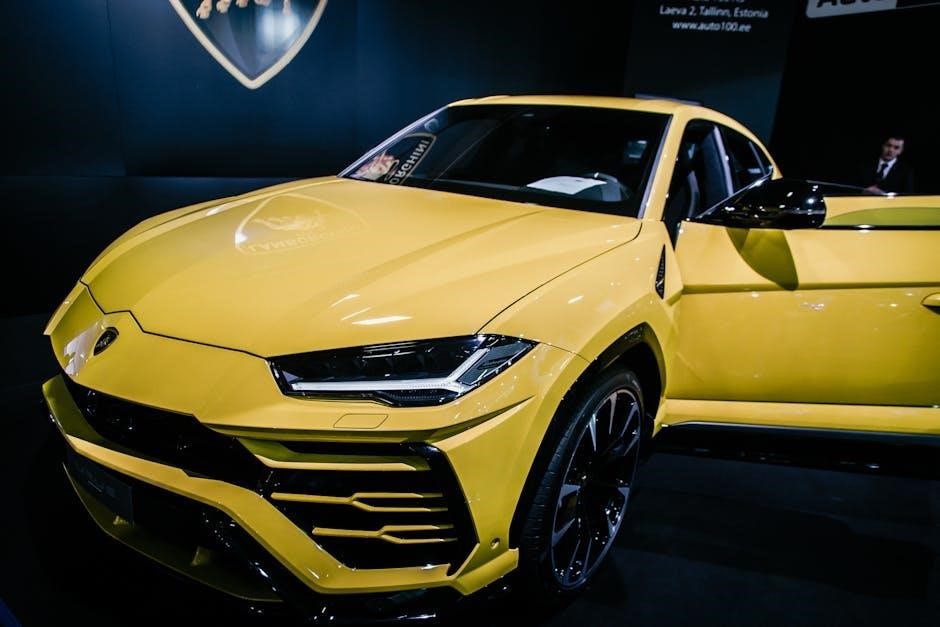
Key Features to Consider
Evaluating small manual SUVs requires attention to engine performance, interior space, and modern technology—safety features are paramount for informed purchasing decisions.
Engine Options and Performance
Small manual SUVs typically offer a range of engine choices, prioritizing fuel efficiency alongside adequate power. Many, like the Toyota Corolla Cross, feature smaller displacement petrol engines, often around 1.5 to 2.0 liters, delivering sufficient performance for daily commutes and occasional highway driving.
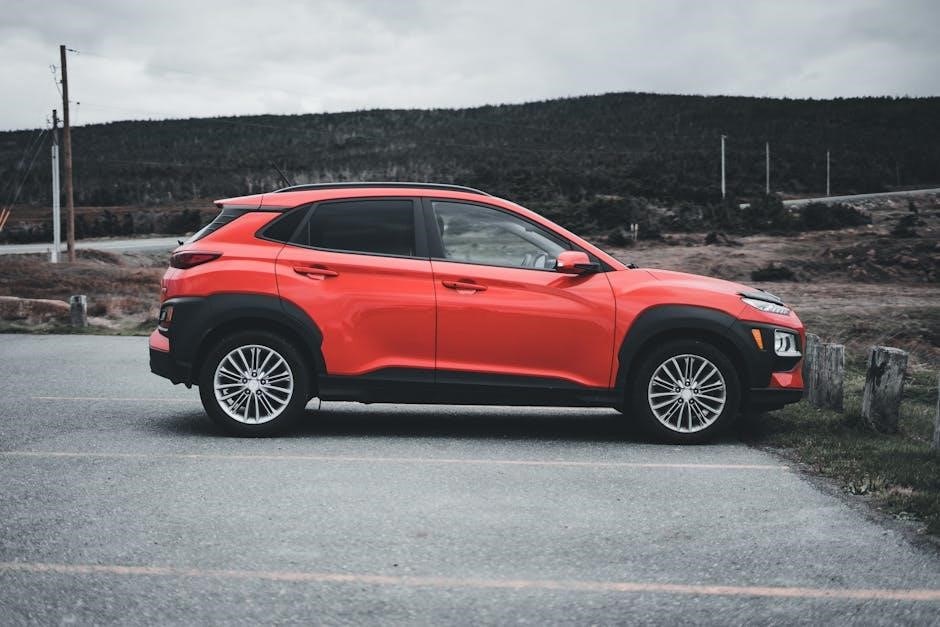
While outright speed isn’t the primary focus, models such as the Mazda CX-5 demonstrate that engaging driving dynamics are achievable. Turbocharged options are becoming more prevalent, boosting horsepower and torque. The availability of hybrid powertrains, as seen in future models like the Dacia Bigster, is also increasing, offering improved fuel economy.
The manual transmission itself plays a crucial role, providing drivers with greater control over gear selection and engine speed, enhancing the overall driving experience. However, horsepower varies significantly between models.
Interior Space and Comfort
Small manual SUVs generally prioritize practicality over outright luxury, but modern examples offer a surprisingly comfortable and well-equipped interior. Models like the Honda CR-V and Volkswagen T-Roc strike a good balance between passenger space and cargo capacity, accommodating families and weekend adventures.
Rear seat legroom can vary, with some, like the Skoda Kamiq, offering competitive space for their class. Interior materials typically range from durable cloth to higher-quality plastics and leatherette options.
Comfort features, such as adjustable seats, climate control, and infotainment systems, are increasingly standard. While not as spacious as larger SUVs, these vehicles provide a comfortable and functional environment for both driver and passengers.
Technology and Safety Features
Small manual SUVs are increasingly equipped with modern technology and safety features, enhancing both convenience and peace of mind. Standard features often include touchscreen infotainment systems with smartphone integration (Apple CarPlay and Android Auto), Bluetooth connectivity, and USB ports.
Advanced safety technologies, such as automatic emergency braking, lane departure warning, and adaptive cruise control, are becoming more prevalent, even in base models like the Toyota Corolla Cross.
Higher trims may offer features like blind-spot monitoring, rear cross-traffic alert, and parking assist. These advancements contribute to a safer and more enjoyable driving experience, making these SUVs appealing to a wider range of buyers.
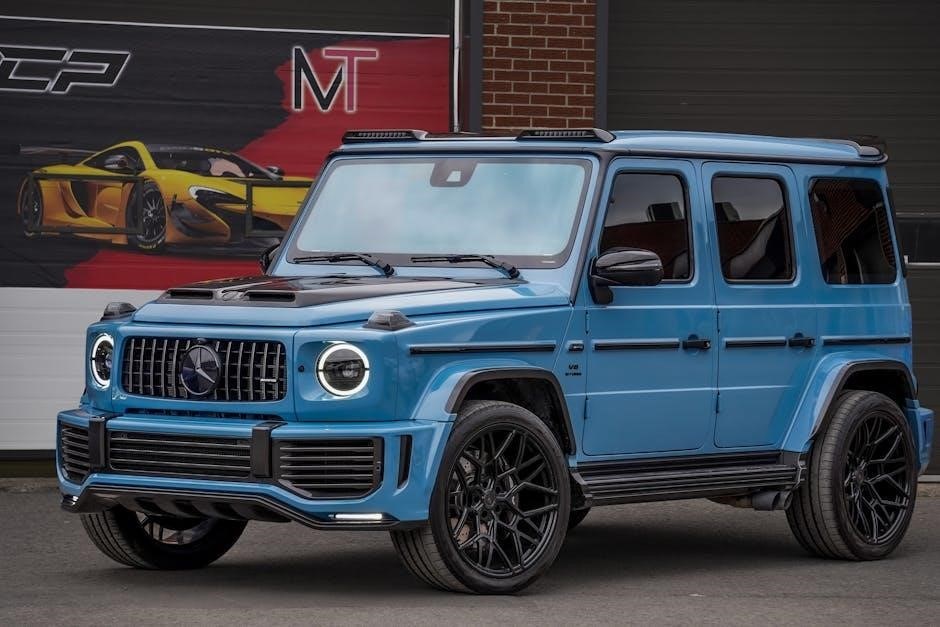
The Benefits of Choosing a Manual Transmission
Manual transmissions in small SUVs offer enhanced driver control, a potentially improved fuel economy, and often a lower initial purchase price compared to automatics.
Enhanced Driver Control
Manual transmissions grant drivers a significantly more connected and engaging experience behind the wheel of a small SUV. This direct mechanical link allows for precise gear selection, empowering drivers to optimize engine performance for various driving conditions.
Unlike automatic systems, a manual gearbox puts the driver firmly in command of the vehicle’s power delivery, fostering a greater sense of control during spirited driving or challenging terrains. This is particularly appealing for enthusiasts who enjoy a more involved and responsive driving experience.
The ability to downshift for engine braking, or hold a specific gear for optimal power, provides a level of control simply unattainable with an automatic transmission, enhancing both safety and driving pleasure.
Improved Fuel Economy (Potential)
While modern automatic transmissions have narrowed the gap, manual transmissions in small SUVs can offer improved fuel economy, though this isn’t always guaranteed. Skilled drivers who proactively manage gear selection to maintain optimal engine RPMs can potentially achieve better mileage.
Avoiding unnecessary revving and utilizing engine braking effectively contribute to fuel savings. However, the difference is often marginal and heavily dependent on driving style. Vehicles like the Renault Duster demonstrate potential gains through simpler engine designs.
Ultimately, the fuel efficiency advantage of a manual transmission relies on the driver’s ability to consistently exploit its potential, making it a benefit rather than a certainty.
Lower Purchase Price (Generally)
Historically, small manual SUVs have often carried a lower price tag compared to their automatic counterparts. This price difference stems from the simpler manufacturing process and fewer components required for a manual transmission system.
While the gap is shrinking as manual transmissions become less common, opting for a manual can still represent a cost-saving measure, particularly for budget-conscious buyers. This allows for allocation of funds towards optional features or accessories.
However, it’s crucial to verify this price advantage with specific models, as manufacturer pricing strategies can vary. The Dacia Bigster, positioned as a value-oriented SUV, may exemplify this trend.
Accessories and Modifications for Small Manual SUVs
Small manual SUVs benefit from practical accessories like Thule roof racks and cargo carriers, enhancing versatility. Performance upgrades remain limited due to market constraints.
Roof Racks and Cargo Carriers (Thule Compatibility)
Small manual SUVs, prized for their practicality, are significantly enhanced by the addition of roof racks and cargo carriers. Thule systems consistently emerge as a top choice for owners seeking reliable and versatile carrying solutions.
Specifically, models like the Mazda CX-5, Skoda Kamiq, and Volkswagen T-Roc demonstrate excellent Thule compatibility, offering secure mounting points for a wide range of accessories. These include ski carriers, bike racks, and spacious cargo boxes, ideal for adventurous lifestyles.
Investing in a Thule system expands the utility of these SUVs, enabling transport of gear beyond the cabin’s capacity. Installation services are readily available in major cities like Moscow and Saint Petersburg, ensuring a secure and professional fit.
Performance Upgrades (Limited Availability)
Small manual SUVs, while enjoyable to drive, generally present limited options for substantial performance upgrades compared to dedicated sports cars. The focus for these vehicles leans towards practicality and fuel efficiency rather than outright speed.
However, some modifications are available. These typically include aftermarket exhaust systems for a slightly enhanced sound and potentially minor power gains, alongside suspension upgrades for improved handling. Chip tuning, or ECU remaps, can offer modest horsepower increases, but may impact warranty coverage.
Significant engine modifications are often cost-prohibitive and complex. Owners frequently prioritize maintaining reliability over pursuing extensive performance enhancements, given the SUV’s intended use.
Market Trends and Future Outlook
Small manual SUVs face declining demand as automatics dominate, yet hybrids and electric models emerge, like the upcoming Dacia Bigster, reshaping the segment.
The Declining Popularity of Manual Transmissions
The shift away from manual transmissions is a significant trend impacting small SUVs. Globally, consumer preference increasingly favors the convenience and ease of automatic gearboxes. This is particularly evident in North America, where manuals represent a very small percentage of new car sales.
Several factors contribute to this decline. Automatics offer a smoother driving experience, especially in congested urban environments. Advancements in automatic transmission technology, such as continuously variable transmissions (CVTs) and dual-clutch transmissions (DCTs), have also improved fuel efficiency and responsiveness, diminishing the traditional advantages of manuals.
Manufacturers are responding by reducing the availability of manual options, focusing production on automatic variants to meet market demand. While some enthusiasts continue to seek out manual SUVs for their engaging driving experience, their numbers are dwindling, potentially leading to their eventual disappearance from many lineups.
Emerging Hybrid and Electric Small SUVs
The automotive landscape is rapidly evolving with the rise of hybrid and electric small SUVs, presenting a challenge to traditional manual transmission models. Manufacturers are heavily investing in electrification to meet increasingly stringent emissions regulations and consumer demand for eco-friendly vehicles.
Models like the upcoming Dacia Bigster, Dacia’s first hybrid offering, signal this shift. While currently, fully electric small SUVs rarely offer manual transmissions, the focus is on maximizing efficiency through advanced powertrain technology. This trend suggests that manual options will become increasingly scarce as hybrid and electric powertrains dominate the segment.
The integration of electric motors and battery packs often necessitates automatic transmissions, further accelerating the decline of manual gearboxes in small SUVs. This transition represents a fundamental change in the market.
Dacia Bigster: A New Contender?
The Dacia Bigster is poised to enter the small SUV market as Dacia’s largest SUV and second hybrid vehicle, potentially disrupting the segment. While details regarding transmission options are still emerging, its arrival sparks debate about the future of manual transmissions in this class.
Given Dacia’s focus on affordability, a manual gearbox could be offered alongside hybrid powertrains, appealing to budget-conscious buyers who still prefer a traditional driving experience. However, the Bigster’s emphasis on hybrid technology suggests that automatic transmissions may become the primary offering.
Its success will depend on balancing cost, practicality, and modern features, potentially attracting customers away from established competitors like the Skoda Kamiq.

Buying Guide and Considerations
Carefully assess your budget and financing options before purchasing a small manual SUV, and always prioritize a thorough test drive and vehicle inspection.
Budget and Financing Options
Determining a realistic budget is the first step when considering a small manual SUV. Prices vary significantly based on model, year, and condition. Generally, manual transmission versions tend to be slightly more affordable upfront than their automatic counterparts.
Explore various financing avenues, including traditional auto loans from banks and credit unions. Online lenders also offer competitive rates. Consider the total cost of ownership, factoring in insurance, fuel, and potential maintenance.

Don’t overlook the possibility of purchasing a used model to maximize your budget. A pre-purchase inspection by a trusted mechanic is crucial to identify any hidden issues. Leasing is another option, offering lower monthly payments but limited long-term ownership.
Test Driving and Vehicle Inspection
A thorough test drive is paramount when evaluating a small manual SUV. Pay close attention to the clutch feel, gear engagement, and overall driving experience. Ensure smooth shifting and responsiveness. Listen for any unusual noises from the engine or transmission.
A pre-purchase inspection by a qualified mechanic is non-negotiable, especially for used vehicles. They can identify potential mechanical issues, assess the vehicle’s history, and provide a realistic estimate of future repair costs.
Check for signs of previous accidents or damage. Examine the tires, brakes, and suspension. Verify all features function correctly. Don’t hesitate to ask questions and request documentation.